Rice
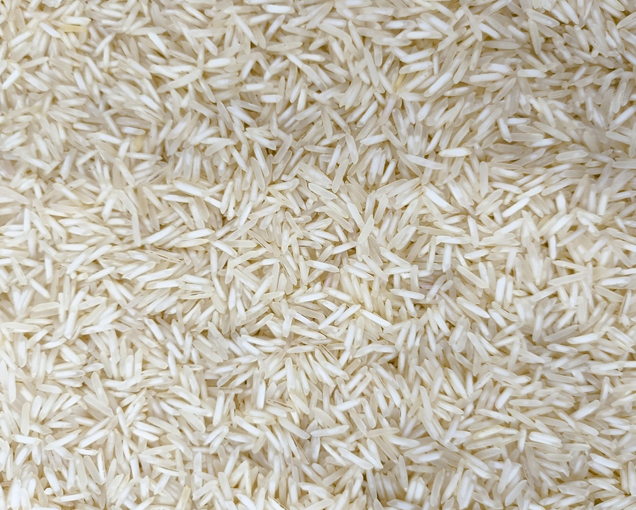
Basmati rice is a premium variety of long-grain rice known for its distinctive aroma, delicate flavor, and fluffy texture after cooking. Primarily grown in the fertile plains of the Himalayan foothills in India and Pakistan, basmati rice has been cultivated for centuries and holds cultural and culinary significance in South Asian cuisine. The word “basmati” comes from Sanskrit, meaning “fragrant,” which reflects its natural nutty aroma caused by the presence of a compound called 2-acetyl-1-pyrroline. Compared to regular rice, basmati grains are longer and become even more elongated when cooked, remaining separate rather than sticky. Nutritionally, basmati rice is a good source of carbohydrates that provide energy, along with small amounts of protein, fiber (especially in brown basmati), and essential vitamins like B-complex vitamins. It typically has a lower glycemic index than many other rice varieties, making it a better option for people managing Diabetes when consumed in moderation. Basmati rice is widely used in dishes such as biryani, pulao, and plain steamed rice, and its unique qualities make it a preferred choice for both everyday meals and special occasions.
Health Benefits of Basmati Rice- Provides sustained energy
- Lower glycemic index
- Supports digestion
- Low in fat
- Gluten-free
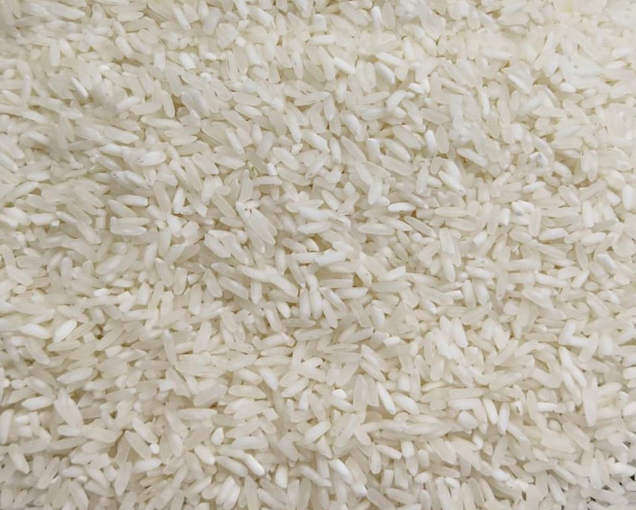
Non-basmati rice refers to a broad category of rice varieties that do not possess the distinctive aroma and long grain characteristics of basmati rice. These include short-grain, medium-grain, and some long-grain types such as Sona Masuri, IR64, and Ponni, which are widely grown and consumed across India and other parts of the world. Non-basmati rice is a staple food for billions of people and serves as a primary source of carbohydrates, providing essential energy for daily activities. It is cultivated in diverse climatic conditions, making it highly adaptable and widely available. Nutritionally, it contains carbohydrates, small amounts of protein, and varying levels of fiber depending on whether it is consumed as white or brown rice; brown non-basmati rice retains more nutrients due to the presence of the bran layer. It also provides vitamins such as B-complex vitamins and minerals like iron and magnesium. Compared to basmati rice, non-basmati rice generally has a higher glycemic index, which may lead to quicker spikes in blood sugar levels, especially relevant for individuals with Diabetes. It is used in a wide range of everyday dishes such as steamed rice, idli, dosa, and regional preparations, making it an essential part of daily diets due to its affordability, availability, and versatility.
Health Benefits of Non-basmati Rice- Provides quick energy
- Easy to digest
- Supports muscle function
- Good for digestion (brown varieties)
- Affordable nutrition source