Maize
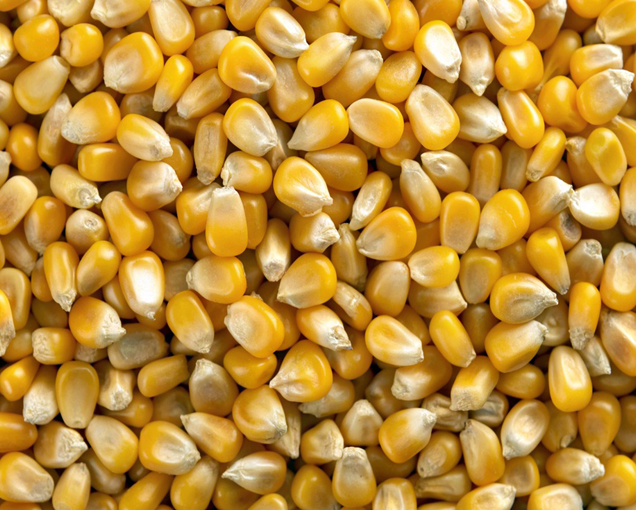
Maize, commonly known as corn, is one of the most widely cultivated cereal crops in the world and belongs to the grass family Poaceae. Scientifically called Zea mays, maize originated in Central America and was domesticated thousands of years ago by ancient civilizations before spreading globally through trade and colonization. It is a staple food in many countries and serves as a major source of carbohydrates, providing energy along with essential nutrients such as fiber, vitamins (especially B-complex vitamins like thiamine and folate), and minerals like magnesium and phosphorus. Maize is highly versatile and can be consumed in various forms, including fresh corn, flour, popcorn, cornmeal, and processed products like corn oil and corn syrup. It also plays a significant role beyond human consumption, being widely used as animal feed and in industrial applications such as biofuel production and biodegradable materials. In addition to its nutritional value, maize contains antioxidants like carotenoids (lutein and zeaxanthin), which support eye health. Due to its adaptability, maize can grow in diverse climates, making it a critical crop for global food security and agricultural economies.
Health Benefits of Maize- Provides energy
- Supports digestion
- Good for heart health
- Supports eye health
- Supports pregnancy health